Water explained · 2 min read
Why parts of the Southwest are still in severe drought despite the rain
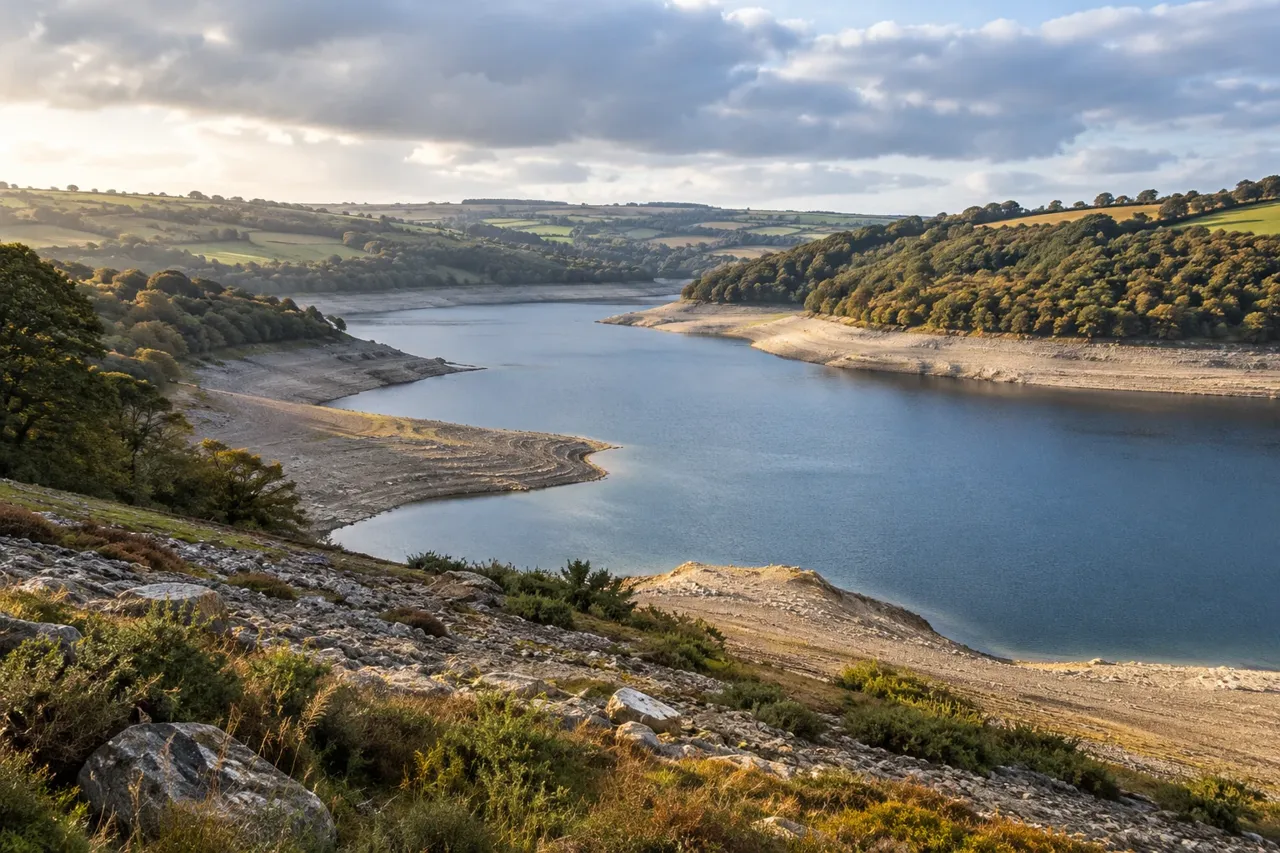
It has been raining, so why are we still talking about drought? Across parts of the Southwest, the answer lies in what has happened over months, rather than what we can see outside today.
Rain has helped but recovery takes time
The Environment Agency report covering 23 to 29 October 2026 says recent rain improved river flows and increased storage in many reservoirs. Even so, severe drought remained in affected parts of Cornwall, Devon, Dorset and Somerset, as well as parts of the Southeast. [1]
Conditions are not the same everywhere. The whole Southwest should not be described as being in severe drought. The report identifies continuing pressure around Wimbleball and several smaller reservoirs in Devon and west Cornwall. [1]
Why wet weather and low reservoirs can happen together
After a long dry period, rainfall can replenish dry soils as well as feed streams, rivers and storage. The Environment Agency reported that soils remained drier than expected and that groundwater recharge was still limited. [1]
A reservoir is also a working store. Water continues to leave it while rain falls. Recovery depends on incoming water exceeding those outflows for long enough to rebuild storage.
What the dated readings tell us
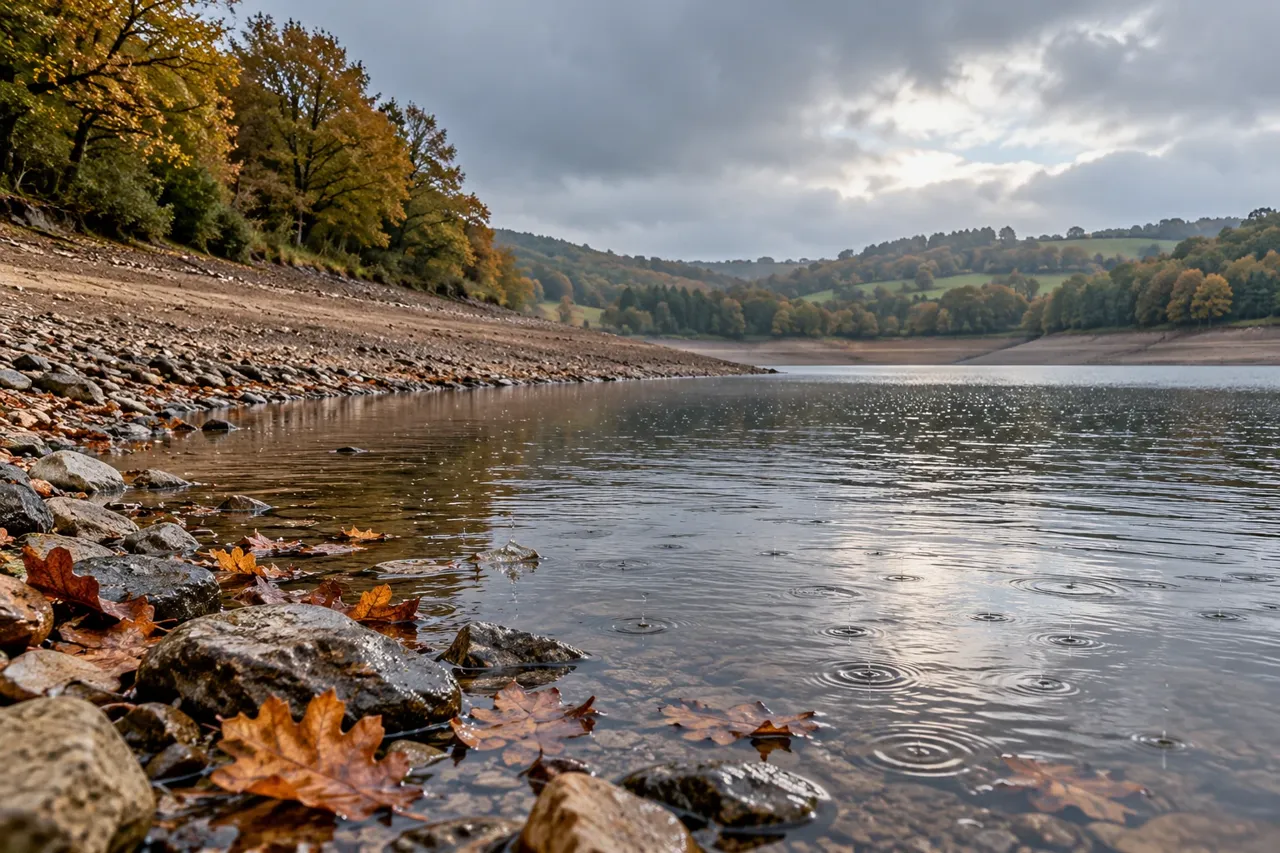
South West Water reported total storage of 36% for its supply area on 3 November 2026. Colliford was at 33% and Roadford at 34% on 3 November; Wimbleball was at 17% on 4 November. These are dated observations, rather than live measurements, and the company total does not represent every reservoir across the Southwest. [2]
South West Water explains that Wimbleball supports flows in the River Exe. Storage therefore reflects how a reservoir is used as well as how much rain has fallen. [2]
What should households do
Check your own supplier’s current advice for restrictions and local supply information. Drought classifications and household restrictions are different things; a single reservoir percentage cannot tell you which rules apply at your address.
The useful question is whether water resources are recovering over time. At Fillumi, we want to make that wider picture easier to understand, with clear dates, sources and local context.
Sources and further reading
[2] South West Water — Reservoir levels and dated storage readings checked 5 November 2026
Have a question about this story? ↗